Get Commercial Roof Installation in San Diego County, CA
Commercial roof installation services in San Diego County and nearby areas address leaks, damage, and aging roofs through new roof setups, replacements, and upgrades for various commercial properties.
Commercial roof installation services are essential for property owners in San Diego County seeking reliable and long-lasting roofing solutions. A properly installed roof enhances the overall safety and functionality of a commercial building, providing protection against the region's varying weather conditions, including coastal moisture and occasional storms. Well-executed roof installations can improve indoor comfort by maintaining consistent temperatures and reducing drafts, while also boosting the building’s curb appeal to attract tenants or customers.
Choosing professional roof installation services offers numerous benefits, including increased durability and reduced maintenance needs over time. High-quality installations help prevent leaks, structural damage, and the need for frequent repairs, ensuring the property's integrity is preserved. Additionally, a visually appealing roof can elevate the exterior appearance of a commercial property, contributing to a positive first impression and overall value. Local contractors are equipped to recommend and execute roofing solutions tailored to the specific demands of properties in San Diego County.
- Flat Roofs - ideal for commercial buildings with low-slope or level roofing needs in urban and industrial areas.
- Metal Roofs - suitable for businesses seeking durable, long-lasting roofing solutions in commercial districts.
- Built-Up Roofing (BUR) - often chosen for large warehouses and retail centers requiring reliable waterproofing.
- Modified Bitumen Roofs - appropriate for commercial properties needing flexible, weather-resistant roofing systems.
- Green Roofs - considered for eco-conscious commercial facilities looking to incorporate sustainable roofing options.
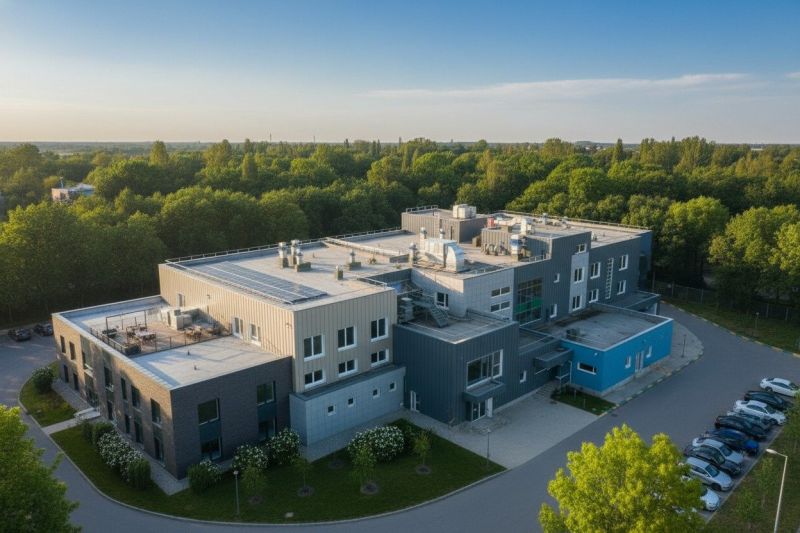
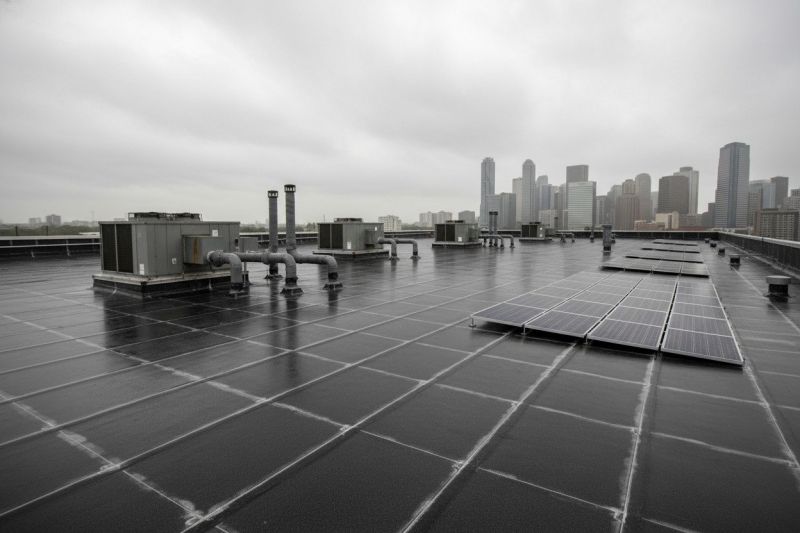
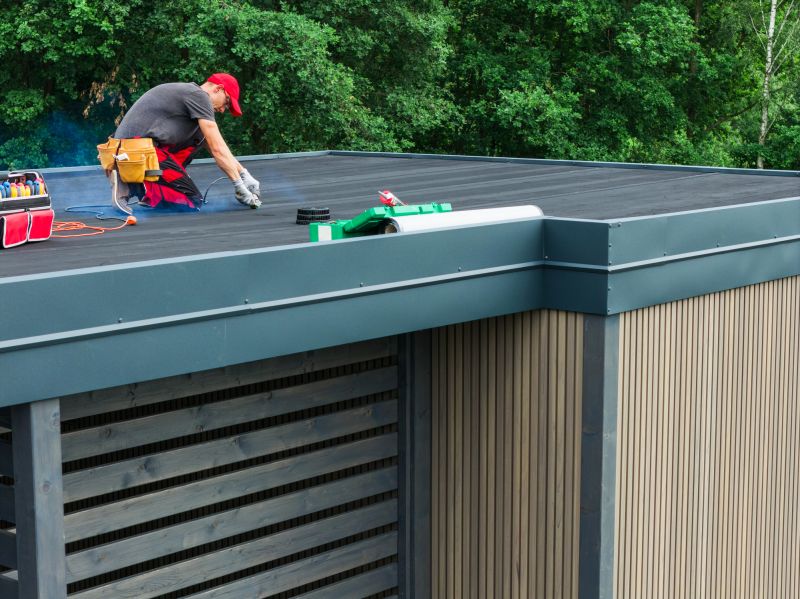
Commercial roof installation services involve the process of designing, planning, and installing new roofing systems on various types of commercial properties. These services include selecting appropriate roofing materials, preparing the existing structure, and ensuring proper installation techniques are followed to create a durable and functional roof. Contractors typically assess the specific needs of the property, considering factors such as building size, roof design, and intended usage, to recommend suitable roofing solutions. The goal is to establish a robust roofing system that can withstand local weather conditions and provide long-term protection for the building’s interior.
One of the primary issues that commercial roof installation addresses is the deterioration or failure of existing roofing systems. Over time, roofs can develop leaks, cracks, or other structural problems due to exposure to the elements, aging materials, or improper previous installations. Installing a new roof can eliminate persistent leaks, prevent water damage, and improve energy efficiency by replacing outdated or damaged materials. Proper installation also helps prevent future issues such as mold growth, structural weakening, or insulation problems, contributing to the overall integrity and safety of the commercial property.
Commercial properties that typically utilize roof installation services include office buildings, retail centers, warehouses, manufacturing facilities, and healthcare facilities. These properties often require large, flat, or low-slope roofing systems designed to cover extensive areas efficiently. The choice of roofing material and installation method can vary based on the property’s purpose, budget, and maintenance needs. For example, flat roofs are common on commercial structures because they allow for easier maintenance and the installation of HVAC systems or solar panels, while some industrial buildings may require specialized roofing solutions to accommodate heavy machinery or specific environmental conditions.
Engaging professional contractors for commercial roof installation ensures that the project adheres to industry standards and local building codes. Experienced service providers can evaluate the unique needs of each property, recommend appropriate materials, and execute the installation process with precision. Properly installed commercial roofs contribute to the building’s overall durability, help mitigate potential repair costs in the future, and support the ongoing operational needs of the business or organization housed within. Contacting local pros can facilitate access to experienced specialists capable of handling diverse commercial roofing projects.
The overview below groups typical Commercial Roof Installation projects into broad ranges so you can see how smaller, mid-sized, and larger jobs often compare in San Diego County, CA.
In many markets, a large share of routine jobs stays in the lower and middle ranges, while only a smaller percentage of projects moves into the highest bands when the work is more complex or site conditions are harder than average.
Material Costs - The cost of materials for commercial roof installation can range from $2 to $10 per square foot, depending on the type of roofing chosen, such as asphalt, metal, or TPO. For a 10,000-square-foot roof, material expenses may vary from $20,000 to $100,000. Local pros can provide specific estimates based on project scope.
Labor Expenses - Labor costs for commercial roof installation typically range from $3 to $7 per square foot. For larger projects, this can translate to $30,000 to $70,000 for a 10,000-square-foot roof. Rates vary by location and complexity of the installation.
Project Size Impact - Larger commercial roofing projects usually have a lower cost per square foot due to economies of scale, but total costs can still range widely. For example, a small roof might cost around $15,000, while a larger one could reach $150,000 or more, depending on specifics.
Additional Costs - Extra expenses such as permits, inspections, and removal of old roofing can add $1 to $4 per square foot. These costs may increase overall project expenses by several thousand dollars, depending on local requirements and existing roof conditions.
Actual totals will depend on details like access to the work area, the scope of the project, and the materials selected, so use these as general starting points rather than exact figures.
Flat Roof Installation - Local roofing contractors offer flat roof installation services suitable for commercial buildings requiring a durable, low-slope roofing system.
Metal Roof Installation - Professionals in the area provide metal roofing solutions known for longevity and resistance to harsh weather conditions for commercial properties.
EPDM Roofing Services - Local service providers install EPDM membrane roofs, offering a reliable waterproofing option for large commercial roofs.
Built-Up Roofing (BUR) - Contractors specializing in BUR systems deliver multi-layered roofing options that enhance protection and insulation for commercial structures.
Thermoplastic Polyolefin (TPO) Roofing - Area pros install TPO roofs, which are popular for their energy efficiency and ease of maintenance on commercial buildings.
Commercial Roof Repairs - Local roofing experts provide repair services to address leaks, damage, or wear on existing commercial roofing systems.
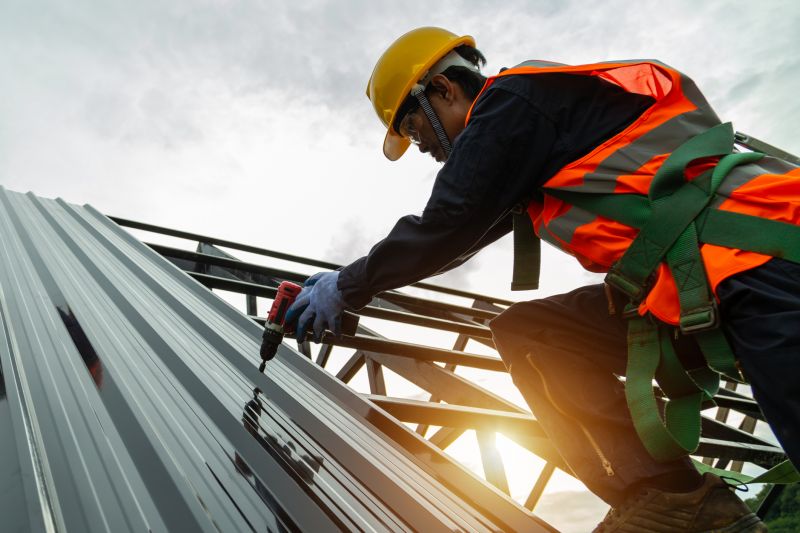
When choosing a professional for commercial roof installation, it’s important to consider the experience of local contractors. An established provider typically has a history of handling similar projects within the community, which can be a sign of familiarity with regional building codes, climate considerations, and common roofing challenges. Homeowners should look for contractors who can demonstrate a solid track record of completing commercial roofing projects, ensuring they have the practical knowledge necessary to manage the scope and complexity of the work.
Clear communication and well-defined expectations are essential when working with a commercial roofing contractor. Reputable service providers often outline their project scope, materials, and processes upfront, helping homeowners understand what to expect throughout the installation. Effective communication also involves responsiveness to questions and concerns, which can contribute to a smoother project experience. Homeowners are encouraged to verify that prospective contractors are transparent about their procedures and willing to provide detailed information about their services.
Reputable references and local reputation are valuable indicators of a contractor’s reliability and quality of work. Homeowners may consider seeking recommendations from other local businesses or property managers who have previously worked with roofing professionals. Additionally, researching online reviews or requesting references directly from contractors can provide insights into their professionalism, craftsmanship, and adherence to deadlines. Since this resource introduces local options rather than performing the work itself, it’s important to evaluate each contractor’s reputation independently to find the best fit for commercial roofing needs.
Property owners in San Diego County, CA use Commercial Roof Installation services for practical projects around their homes and businesses. The sections below highlight everyday jobs and straightforward project options.
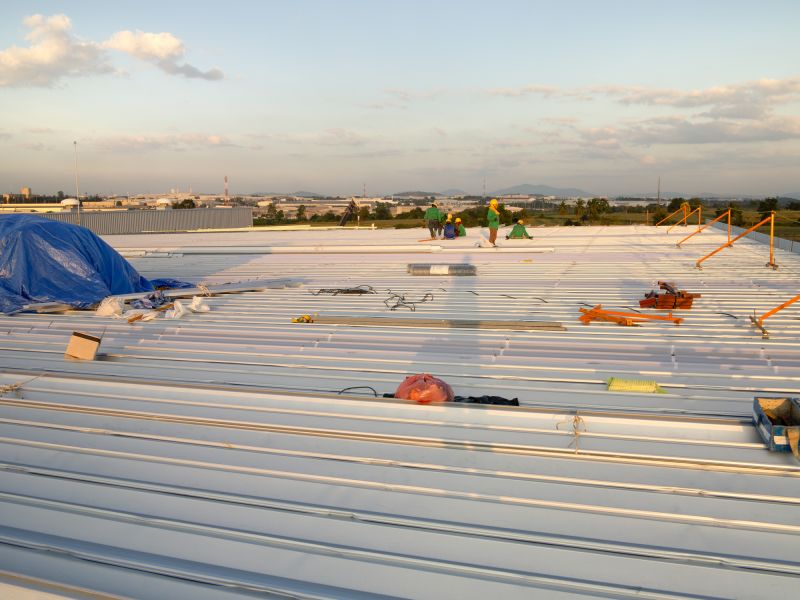
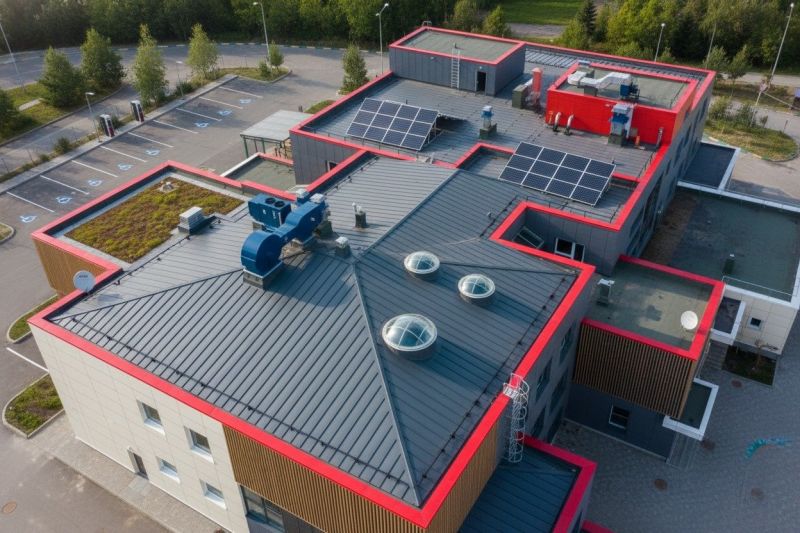
Commercial roof installation services are often sought by property owners in San Diego County, CA, when constructing new buildings or replacing aging roofs on existing structures. Business owners and facility managers may need these services to ensure their commercial spaces are protected from weather elements, maintain structural integrity, and meet local building codes. Whether upgrading a flat roof to improve durability or installing a new roof on a retail center, local contractors can provide the expertise needed for a successful project.
Property owners might also look for commercial roof installation when experiencing leaks, damage from storms, or signs of wear that compromise the roof's performance. Upgrading an old roof can help prevent costly repairs and extend the lifespan of the building. Local service providers are experienced in handling various roofing systems common in the area, helping property owners maintain safe and reliable commercial spaces.
What types of commercial roofs can be installed? Local contractors typically install various commercial roofing systems, including flat roofs, metal roofs, and membrane roofs, suitable for different building needs.
How long does a commercial roof installation usually take? The duration of installation varies based on the size and complexity of the project, but contractors can provide estimates during consultation.
What factors should be considered before installing a new commercial roof? Factors include building structure, roof material options, budget, and specific durability or performance requirements.
Is there any preparation required before a commercial roof installation? Preparation may involve site assessments, removing existing roofing materials, and ensuring access for installation equipment, as advised by local service providers.
What maintenance is recommended after a commercial roof installation? Contractors often suggest regular inspections and maintenance to ensure the roof’s longevity and performance, tailored to the roofing system installed.
Commercial Roof Installation Planning - Professionals can assist with assessing the specific needs of commercial roofing projects to ensure proper planning and material selection.
Material Selection Consultation - Local service providers offer guidance on the best roofing materials suited for durability and performance in commercial settings.
Project Timeline Coordination - Experienced contractors can help coordinate project schedules to minimize disruptions to business operations.
Permitting and Compliance Support - Service providers can advise on local regulations and assist with obtaining necessary permits for commercial roof installation.
Considering Commercial Roof Installation for a property in San Diego County, CA? The sections above highlight common project types, practical options, and details that often shape the scope of work.
When you are ready, use the quote form to share a few details about your project. Local pros can review the basics and respond with options that match what you have in mind.